The industrial landscape is undergoing a massive digital transformation. As smart manufacturing, automation, and advanced robotics integrate into factories, pipelines, and heavy production plants, the methods used to inspect them must evolve as well. At the heart of this transformation is the field of Non-Destructive Testing (NDT) an essential discipline ensuring structural integrity without damaging the underlying equipment.
For modern quality assurance professionals, understanding how digital technologies intersect with structural inspection is no longer optional; it is the definitive boundary between a stagnant job and a thriving, future-proof career.
The Shift Toward Intelligent Asset Inspection
Traditionally, material inspection relied heavily on manual tools and periodic, physical checkups. However, modern heavy industries operate continuously under high stress environments, meaning unexpected shutdowns can result in catastrophic operational logjams.
The transition to Smart Manufacturing (Industry 4.0) introduces a shift from reactive maintenance to predictive asset health. Today’s structural inspection professionals work alongside advanced systems like:
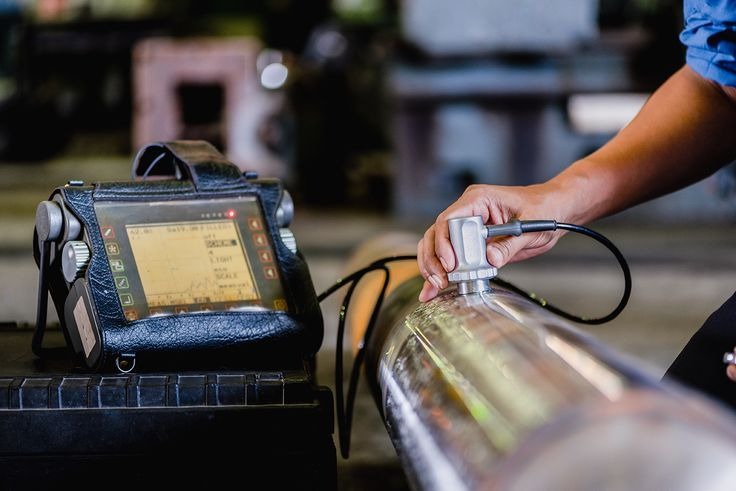
- Automated Ultrasonic Scanners: Utilizing robotics to scan complex geometries with extreme precision.
- Digital Radiography: Replacing traditional film with advanced digital sensors for real-time internal imaging.
- Data Integration: Linking inspection readouts directly to cloud databases to monitor structural wear over time.
This evolution means the global market is shifting away from basic inspectors and actively prioritizing individuals who can operate advanced digital diagnostics.
Why Modern Industries Rely Heavily on NDT
From oil refineries and aerospace engineering to public infrastructure and renewable energy setups, zero-tolerance policies regarding structural failure are standard. A qualified inspector serves as the ultimate line of defense for a corporation.
- Continuous Material Testing: Evaluating the strength of welds, castings, and forged components while the machinery remains fully operational.
- Preventative Oversight: Finding microscopic micro cracks or internal volumetric defects before they expand under operational pressure.
- Regulatory Alignment: Ensuring compliance with rigorous national and international manufacturing standards.
Bridging the Local Skill Gap for Global Fields
While global demand for sophisticated quality control specialists is rising, a significant skill gap remains. Manual proficiency is an asset, but matching international operational benchmarks requires structured, formal methodology.
This is where specialized technical training institutions become vital. By offering hands-on technical labs alongside theoretical baseline competencies, institutes prepare technical talents to handle modern industrial demands seamlessly. An industry-backed certification serves as tangible proof that a professional is ready to step onto a highly digitized site anywhere in the world and manage high-stakes testing independently.
Conclusion
The future of industrial manufacturing belongs to precision. As the tools of production become more automated and advanced, the professionals who verify their safety and quality must advance alongside them. Specializing in sophisticated technical inspection techniques is the ultimate strategy for building an indispensable professional identity in the modern global economy.
Advance Your Career Strategy Today
Equip yourself with the expertise required by the global manufacturing sector. Qanmos Trainings offers hands-on, industry recognized professional certification paths designed to transition you into a high-value technical career.