Pakistani businesses are facing a new reality. International buyers are asking harder questions. Government regulators are tightening their grip. And the companies that want to grow whether through exports, Gulf contracts, or local tenders are discovering that one standard keeps appearing on every requirement list.
That standard is ISO 45001.
If your organization has not yet engaged seriously with ISO 45001, you are already behind the curve. And if you are an individual professional looking to build expertise that makes you genuinely indispensable to modern organizations, ISO 45001 auditing is one of the most powerful skills you can add to your profile in 2026.
This guide explains everything about what ISO 45001 is, why it matters for Pakistan specifically, who needs it, and how Qanmos Trainings can help you get there.
What Is ISO 45001?
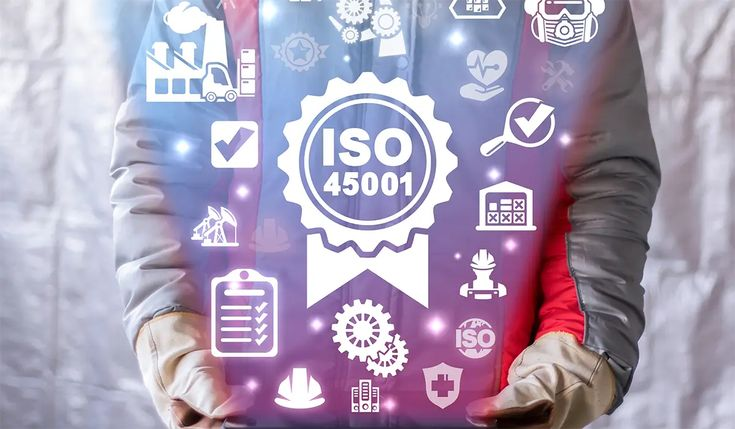
ISO 45001 is the international standard for Occupational Health and Safety Management Systems, published by the International Organization for Standardization. It focuses on establishing a robust health and safety management system that enhances workplace safety and employee well being, providing a universal framework for occupational health and safety across organizations of all sizes.
In plain terms, ISO 45001 gives organizations a structured, internationally recognized system for managing workplace risks, protecting their people, and continually improving safety performance over time.
More Than Just a Safety Framework
What makes ISO 45001 different from general safety practices is that it is a management system standard. It does not simply tell an organization what hazards to watch for. It defines how an organization should think about safety, how it sets objectives, how it assigns responsibility, how it monitors performance, and how it builds a culture where safety is embedded into daily operations rather than bolted on as an afterthought.
For Pakistani businesses, achieving ISO 45001 certification is not just about meeting international standards, it is about embedding a culture of safety in every aspect of their operations.
Why ISO 45001 Matters for Pakistan in 2026
Pakistan’s industrial and export landscape is changing fast, and ISO 45001 sits at the centre of those changes.
International Buyers Are Demanding It
ISO 14001 and ISO 45001 directly address requirements increasingly demanded by international investors, lenders, and buyers. For Pakistani exporters particularly in textiles, pharmaceuticals, food production, and construction this is no longer background noise. It is a contractual reality. Organizations that cannot demonstrate a certified occupational health and safety management system are losing tenders and contracts to competitors who can.
Gulf Market Access
Many companies in the Gulf prefer suppliers who are ISO-certified, which makes certification a powerful tool for business growth. For Pakistani companies targeting Saudi Arabia, UAE, Qatar, Kuwait, and Oman, ISO 45001 is increasingly the baseline expectation rather than a differentiating bonus.
Regulatory Pressure Is Building
Pakistan’s regulatory environment around workplace safety is evolving. Organizations that build strong safety management systems now and get them independently certified are not just ahead of the compliance curve. They are building a reputation for seriousness that regulators, clients, and employees all respond to.
What Does ISO 45001 Actually Require From an Organization?
ISO 45001 is built around a systematic approach to managing occupational health and safety. It requires organizations to understand the context they operate in, identify the risks and opportunities that context creates, build controls and processes that address those risks, and continuously evaluate and improve the system over time.
Leadership and Commitment
One of the strongest elements of ISO 45001 is its insistence on genuine leadership engagement. Safety management systems that sit in an HSE department manual but are disconnected from how senior leaders actually make decisions do not meet the standard. ISO 45001 requires top management to demonstrate real, visible commitment to the safety management system not as a policy statement but as a way of operating.
Worker Participation
ISO 45001 places significant emphasis on the involvement of workers at all levels in the safety management system. This reflects the understanding that the people doing the work are often the first to identify hazards and the most important actors in preventing incidents. An organization pursuing ISO 45001 certification must build genuine channels for worker input, feedback, and participation in safety decision-making.
Risk Based Thinking
ISO 45001 helps organizations reduce workplace injuries, improve safety culture, and comply with occupational health and safety regulations through a risk-based approach that identifies hazards before they cause harm. The standard requires organizations to systematically identify hazards, evaluate risks, and implement controls creating a proactive safety culture rather than a reactive one.
Continual Improvement
ISO 45001 is not a one-time achievement. It requires organizations to monitor their safety performance, conduct internal audits, review their management system, and demonstrate that they are improving over time. This continual improvement requirement is what makes ISO 45001 certification genuinely meaningful it cannot be achieved and then ignored.
The Role of an ISO 45001 Lead Auditor
Behind every successful ISO 45001 certification is a qualified auditor who understands the standard deeply and can evaluate whether an organization’s management system genuinely meets its requirements.
Why Organizations Need Qualified ISO 45001 Auditors
An ISO 45001 Lead Auditor is a professional trained to plan, conduct, report, and follow up on audits of occupational health and safety management systems. They assess whether an organization’s system conforms to the standard, identify gaps and non-conformances, and provide recommendations that drive genuine improvement.
For organizations pursuing certification, having internal staff qualified in ISO 45001 auditing is a significant advantage. It means audits are conducted with genuine technical understanding, non conformances are identified early before external certification bodies find them, and the organization continuously strengthens its system between external audits.
For individual professionals, ISO 45001 Lead Auditor qualification opens doors to a role that is in growing demand across every industry sector locally and internationally.
Industries in Pakistan That Need ISO 45001 Most
ISO 45001 is relevant to every organization that employs people and exposes them to workplace risks which is, in practice, every organization. But certain industries in Pakistan face the most immediate and acute pressure to pursue certification.
Textile and Garment Manufacturing faces intense scrutiny from international buyers who conduct regular supply chain audits. Worker safety is a core component of those audits, and ISO 45001 certification provides the strongest possible evidence that an organization takes it seriously.
Construction and Infrastructure projects particularly those under CPEC and large commercial developments increasingly specify ISO 45001 as a contractor requirement. ISO 45001 is best suited for construction, industrial, and manufacturing environments where reducing workplace injuries and improving safety culture are critical priorities.
Oil, Gas and Petrochemical operations in Pakistan and across the Gulf require the highest standards of safety management. ISO 45001 provides the framework that international oil and gas companies expect their contractors and suppliers to operate within.
Healthcare and Pharmaceuticals face a unique combination of occupational hazards from biological exposures to medication handling to workplace violence that make a systematic safety management approach both ethically necessary and increasingly required by accreditation bodies.
Food Production and Processing companies exporting to international markets face buyer requirements that include worker safety standards. ISO 45001 provides a recognized framework for meeting those requirements.
The Benefits That Go Beyond Compliance
Organizations often begin their ISO 45001 journey because of external pressure a buyer requirement, a tender specification, a regulatory expectation. But the organizations that get the most from the process are those that recognize the internal benefits that certification delivers.
For Your Workforce
A workplace with a certified safety management system is a safer place to work. Hazards are identified and controlled systematically. Workers have channels to raise safety concerns. Management takes safety performance seriously and tracks it actively. The result is fewer incidents, fewer injuries, and a workforce that feels genuinely valued and protected.
Organizations with strong safety cultures also see meaningful improvements in morale and engagement. When employees trust that their employer cares about their safety, their relationship with the organization changes and that change shows up in performance, retention, and commitment.
For Your Business
The business case for ISO 45001 is clear and growing. Certified organizations access markets that others cannot. They win contracts that specify ISO 45001 as a requirement. They demonstrate to international partners that they meet global standards. They reduce the operational disruption and legal exposure that comes with workplace incidents.
Beyond market access, organizations with robust safety management systems consistently report improvements in operational efficiency. Systematic hazard identification often surfaces operational inefficiencies alongside safety risks. Continual improvement culture, once embedded, extends beyond safety into broader operational excellence.
How Qanmos Trainings Prepares ISO 45001 Professionals
Qanmos Trainings has been developing certified safety and management professionals in Pakistan since 2010. ISO 45001 Lead Auditor training at Qanmos equips professionals with the practical skills and technical knowledge needed to audit safety management systems effectively and with confidence.
Training is delivered by experienced professionals who understand both the standard itself and the specific challenges of implementing it in Pakistani industrial contexts. Sessions are practical and scenario based, preparing candidates to handle the complexity of real audits rather than simply passing an examination.
For organizations looking to build internal ISO 45001 auditing capability, Qanmos offers training solutions that can be tailored to specific industry contexts and organizational needs.
With seven branches nationwide — Lahore, Karachi, Islamabad, Rawalpindi, Multan, Peshawar, and Abbottabad — Qanmos is accessible to professionals and organizations across Pakistan.
Frequently Asked Questions
What is ISO 45001 certification?
ISO 45001 is the international standard for Occupational Health and Safety Management Systems. Organizations that achieve certification demonstrate that they have implemented a systematic, internationally recognized approach to managing workplace health and safety risks.
Who needs ISO 45001 certification in Pakistan?
Any organization that wants to demonstrate safety compliance to international buyers, win contracts with Gulf based companies, or build a credible safety culture internally can benefit from ISO 45001 certification. It is especially relevant for manufacturing, construction, oil and gas, healthcare, and export-facing industries.
What is an ISO 45001 Lead Auditor?
An ISO 45001 Lead Auditor is a qualified professional trained to plan, conduct, and report on audits of occupational health and safety management systems. They assess whether an organization’s system meets the requirements of the ISO 45001 standard.
Is ISO 45001 mandatory for Pakistani companies?
ISO certification is not legally mandatory for most businesses, but it is a de-facto requirement for government tenders, international buyers, multinational corporation supply chains, and export market access.
How long does it take to achieve ISO 45001 certification?
The timeline varies depending on the size and complexity of an organization and how developed its existing safety management system is. Qanmos advisors can help organizations understand what their specific journey will look like.
Can small and medium-sized organizations pursue ISO 45001?
Absolutely. ISO 45001 is designed to be scalable and applicable to organizations of any size. A smaller organization with a simpler structure can often implement the requirements more quickly than a large, complex enterprise.
What is the difference between ISO 45001 and general safety training?
General safety training develops individual knowledge and skills. ISO 45001 is a management system standard that addresses how an entire organization identifies, manages, and improves its approach to occupational health and safety at a systemic level.
Can Qanmos provide ISO 45001 training for organizations rather than just individuals?
Yes. Qanmos offers training solutions designed for organizational teams as well as individual professionals. Contact the Qanmos team to discuss options tailored to your organization’s specific needs.
How does ISO 45001 help Pakistani companies access Gulf markets?
Gulf-based clients and contractors increasingly specify ISO 45001 as a supplier requirement. Certification provides documented, independently verified evidence that your organization meets internationally recognized safety management standards which is precisely what Gulf procurement processes look for.
Where can I get ISO 45001 Lead Auditor training in Pakistan?
Qanmos Trainings offers ISO 45001 Lead Auditor training across seven cities in Pakistan. Contact the team at www.qanmos.com or call 0311-1144458 for enrollment information.
Conclusion
ISO 45001 has moved from being a specialist certification to a mainstream business requirement. Pakistani organizations that pursue it are not simply checking a compliance box, they are building the safety culture, the management capability, and the international credibility that modern business demands.
For individual professionals, ISO 45001 Lead Auditor qualification positions you at the intersection of safety expertise and management competence, a place where organizations are actively looking for talent and where career growth is genuinely strong.
The question for Pakistani organizations and professionals in 2026 is not whether ISO 45001 matters. It clearly does. The question is whether you will pursue it before your competitors do.