Every high-rise building, oil refinery, industrial plant, and major bridge project needs scaffolding before much of the work can begin. Behind that scaffolding is a trained professional who knows how to erect, inspect, modify, and dismantle it safely.
That professional is a certified scaffolder.
For people looking for a hands-on technical career, a scaffolding course in Pakistan can provide practical skills for construction and industrial work. Scaffolding training also creates opportunities for professionals who want to work in Pakistan or explore jobs in the Gulf.
This guide explains what scaffolding involves, what students learn, who can enroll, and where scaffolding training can lead.
What Is Scaffolding and Why Does It Matter?
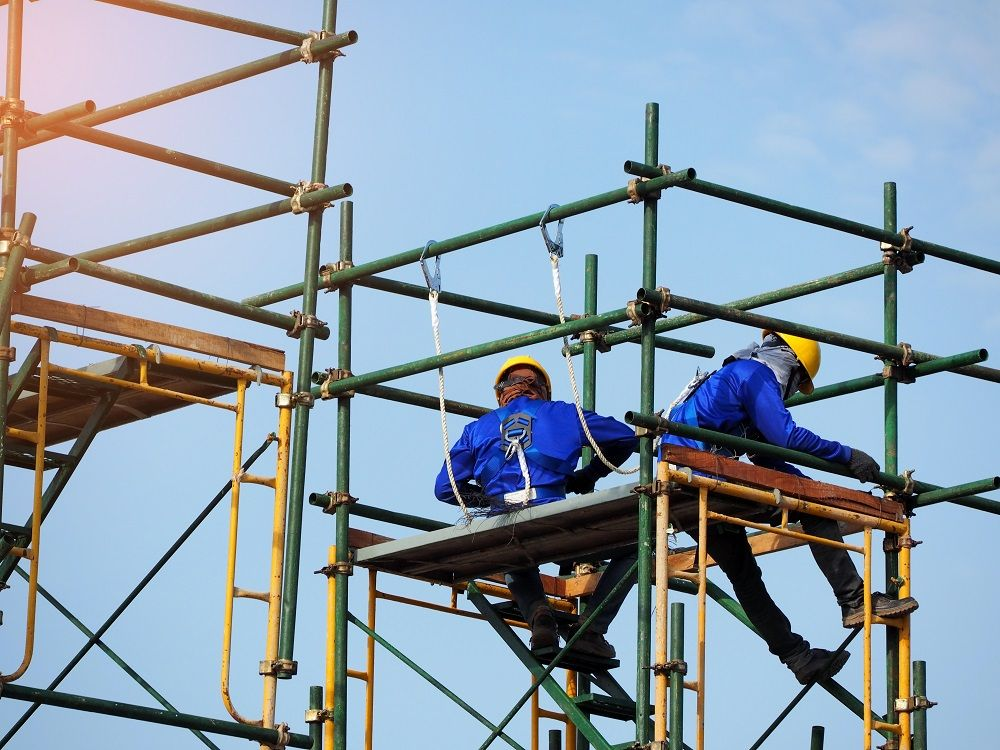
Scaffolding is a temporary structure that gives workers safe access to elevated areas. Workers use it during construction, maintenance, inspection, and repair activities.
Welders, painters, electricians, plumbers, and engineers may all depend on scaffolding to work at height. Therefore, the structure must remain stable and suitable for the job.
On a major construction or industrial site, scaffolding supports many other activities. Without properly erected and inspected scaffolding, workers may not have safe access to elevated work areas.
The Foundation of Safe Work at Height
Work at height requires careful planning and strong safety controls. Scaffolding can provide a stable working platform when trained professionals erect and maintain it correctly.
For this reason, companies need workers who understand scaffolding systems and safe work procedures.
A poorly erected scaffold can create serious risks. In contrast, a properly planned and inspected scaffold gives workers a safer platform for their tasks.
This makes scaffolding knowledge important across construction, maintenance, and industrial operations.
What Does a Certified Scaffolder Do?
A certified scaffolder learns how to erect, modify, inspect, and dismantle scaffolding structures according to approved procedures and project requirements.
The role involves more than connecting tubes and boards. Scaffolders need to understand components, load requirements, site conditions, safe working practices, and inspection procedures.
A Role That Supports Every Other Trade
Scaffolders help create safe access for many other workers on site.
For example, welders need stable platforms for welding work. Painters need secure access to walls and structures. Electricians may also need elevated working positions.
The scaffolder builds and maintains the structures that support these activities.
In addition, site conditions can change during a project. A scaffold may require modification, inspection, or partial dismantling. Trained scaffolders can respond to these requirements while following site safety procedures.
What Do You Learn in a Scaffolding Course?
A professional scaffolding course focuses on practical skills that workers can use on construction and industrial sites.
Students learn how scaffolding systems work and how to handle common site requirements. They also learn the safety procedures needed during erection, inspection, modification, and dismantling.
Building Practical Skills for Real Sites
At Qanmos Trainings, scaffolding training covers several important areas, including:
- Basic scaffolding concepts and terminology
- Scaffolding component identification
- Correct use of scaffolding components
- Safe erection procedures
- Safe dismantling procedures
- Scaffolding inspection
- Defect identification
- Load-bearing principles
- Weight distribution
- Safety requirements
- Compliance procedures
- Emergency procedures
The training focuses on practical application. As a result, students can understand how scaffolding work connects with real site conditions.
Types of Scaffolding Systems
Scaffolding is not limited to one system. Different projects may require different structures based on the site, working height, load, and application.
A trained scaffolder should understand the main systems used in construction and industrial environments.
Tube and Fitting Scaffolding
Tube and fitting scaffolding uses individual tubes and couplers to create a flexible structure.
This system can adapt to many site layouts. Therefore, workers can use it for different construction and industrial applications.
Understanding tube and fitting scaffolding is an important part of professional scaffolding work.
System and Modular Scaffolding
System scaffolding uses prefabricated components that connect in standard ways.
This design can make erection faster and more consistent. Large construction and industrial projects often use system scaffolding where the project design suits this type of structure.
Suspended Scaffolding
Suspended scaffolding hangs from an overhead structure rather than standing directly on the ground.
It can be useful when ground-supported scaffolding is not practical. Common applications include building maintenance, facade work, and some inspection activities.
Because suspended systems involve different risks and equipment, workers need suitable training before working with them.
Who Should Enroll in a Scaffolding Course?
A scaffolding course in Pakistan can suit people from different technical and work backgrounds.
You do not necessarily need an engineering degree to start basic scaffolding training. However, candidates should be comfortable with physical site work and understand the importance of safety.
Beginners Can Start Their Training
People without previous scaffolding experience can begin with foundational training.
A structured course introduces basic components, terminology, erection procedures, inspection methods, and safety requirements. Students can then build their skills through further training and practical experience.
Experienced Workers Can Improve Their Skills
Construction and industrial workers may already have practical exposure to scaffolding.
Formal training can help these workers strengthen their knowledge and gain recognized qualifications. It can also help them understand proper procedures and inspection requirements.
Experienced scaffolders can also explore advanced training for roles such as supervisor or inspector.
Scaffolding Career Scope in Pakistan
Pakistan’s construction and industrial sectors use scaffolding for many types of work. As a result, trained scaffolders can find opportunities across several industries.
Construction and Infrastructure
Large construction projects require scaffolding at different stages. Workers may use scaffolding during structural work, finishing, painting, installation, and maintenance.
Major infrastructure projects can also require trained scaffolding professionals.
Therefore, construction remains an important area for people with scaffolding skills.
Oil and Gas
Oil and gas facilities require regular maintenance and inspection. Workers often need safe access to elevated equipment, structures, pipelines, and plant areas.
Scaffolders can support maintenance and turnaround activities by providing suitable access structures.
These sites also have strict safety requirements. Therefore, training and practical site experience are important.
Manufacturing and Industrial Facilities
Manufacturing plants may require scaffolding during equipment maintenance, repair, painting, inspection, and installation.
Industrial scaffolders need to understand the working environment and follow site-specific safety procedures.
For this reason, workers with practical scaffolding skills can explore opportunities beyond general construction.
Scaffolding Jobs in the Gulf
The Gulf is another important market for skilled technical workers from Pakistan.
Saudi Arabia, the UAE, Qatar, Kuwait, Oman, and Bahrain have large construction, industrial, energy, and infrastructure sectors. These projects can create demand for workers with relevant scaffolding skills and certifications.
However, job requirements vary between employers and projects.
What Gulf Employers Look For
Gulf employers may look for candidates with practical scaffolding experience, relevant training, and recognized certification.
Industrial projects can also require workers to understand specific site safety procedures and scaffolding standards.
Experience in construction, oil and gas, refinery, petrochemical, or industrial environments can therefore be useful.
Candidates should always check the certification, experience, and safety requirements listed for the specific job.
Scaffolding Certification Pathway
Scaffolding training can follow different levels depending on the training provider, certification system, employer, and job role.
Basic training usually introduces core scaffolding skills and safe working procedures.
Intermediate training can cover more advanced erection techniques, inspection, and compliance requirements.
Advanced training may focus on supervision, complex scaffolding work, inspection, and leadership responsibilities.
Building a Long-Term Career
Professionals can continue developing their skills as they gain experience.
For example, a worker may begin with basic scaffolding training and later move into inspection or supervisory work.
Additional skills can also support progression into related technical roles. However, each position has its own requirements, so candidates should check the qualifications needed for their target role.
How Qanmos Trainings Prepares Scaffolders
Qanmos Trainings has been developing technical professionals in Pakistan since 2010.
Its scaffolding programs focus on practical skills, safety procedures, and industry requirements. Students learn how to apply scaffolding principles in real working environments.
Practical and Site-Focused Training
Qanmos training covers both technical knowledge and practical application.
Students learn about scaffolding components, erection procedures, inspection, dismantling, load principles, and safety requirements.
This approach helps students understand the difference between learning scaffolding concepts and applying them on an actual site.
Qanmos also provides scaffolding training across multiple cities in Pakistan.
Training Locations
Qanmos Trainings has branches in:
- Lahore
- Karachi
- Islamabad
- Rawalpindi
- Multan
- Peshawar
- Abbottabad
This allows candidates from different parts of Pakistan to explore professional scaffolding training closer to their location.
Frequently Asked Questions
What is a scaffolding course?
A scaffolding course is a structured training program that teaches workers how to safely erect, modify, inspect, and dismantle scaffolding structures.
The course can cover technical skills, component identification, inspection procedures, load principles, and workplace safety.
Is a scaffolding course suitable for beginners?
Yes. Beginners can start with foundational scaffolding training.
A basic course introduces the main components, terminology, safety procedures, and working methods before students progress to more advanced skills.
What industries hire scaffolders in Pakistan?
Scaffolders can work in construction, oil and gas, manufacturing, power generation, infrastructure, and industrial maintenance.
Any project that requires safe access to elevated work areas may require scaffolding services.
Is scaffolding certification required for Gulf jobs?
Requirements vary by employer, project, country, and job role.
Many Gulf projects require workers to have relevant training, certification, and practical experience. Candidates should review the specific requirements before applying.
What is the difference between scaffolding levels?
Scaffolding training levels generally increase in complexity.
Basic training focuses on fundamental skills. Intermediate training may introduce more advanced erection and inspection work. Advanced training can prepare professionals for supervisory or specialist responsibilities.
The exact structure depends on the training and certification system.
Can experienced construction workers enroll in a scaffolding course?
Yes. Experienced workers can use formal training to strengthen their technical knowledge and gain recognized qualifications.
Training can also help experienced workers prepare for additional responsibilities in inspection or supervision.
Does Qanmos offer scaffolding training across Pakistan?
Yes. Qanmos Trainings offers scaffolding courses across seven cities, including Lahore, Karachi, Islamabad, Rawalpindi, Multan, Peshawar, and Abbottabad.
How does scaffolding training support workplace safety?
Proper scaffolding provides workers with safe access to elevated work areas.
Training teaches scaffolders how to erect, inspect, modify, and dismantle structures while following appropriate safety procedures.
Can scaffolding training lead to supervisory roles?
It can. Professionals who combine advanced training with practical site experience may pursue roles such as scaffolding supervisor or scaffolding inspector.
The exact requirements depend on the employer and position.
Where can I enroll in a scaffolding course in Pakistan?
Qanmos Trainings offers professional scaffolding courses across Pakistan.
Visit Qanmos Trainings to explore available programs, locations, and enrollment information.
Conclusion
Scaffolding is an important technical part of construction and industrial work. It provides workers with access to elevated areas and supports many activities on major projects.
A scaffolding course in Pakistan can help beginners and experienced workers develop practical skills for this field.
Students can learn about scaffolding systems, safe erection, inspection, dismantling, load principles, and workplace safety. With further training and site experience, professionals can also explore inspection and supervisory roles.
Pakistan’s construction, industrial, oil and gas, and infrastructure sectors provide potential opportunities for trained scaffolders. In addition, qualified professionals can explore Gulf markets when they meet the required training, certification, and experience standards.
Start Your Scaffolding Career with Qanmos Trainings
Take the first step toward professional scaffolding training. Contact Qanmos Trainings to learn about available programs and find the course that matches your background and career goals.
Lahore | Karachi | Islamabad | Rawalpindi | Multan | Abbottabad | Peshawar