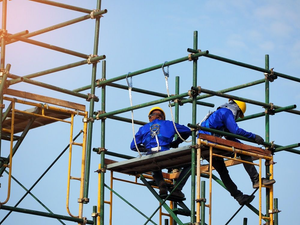
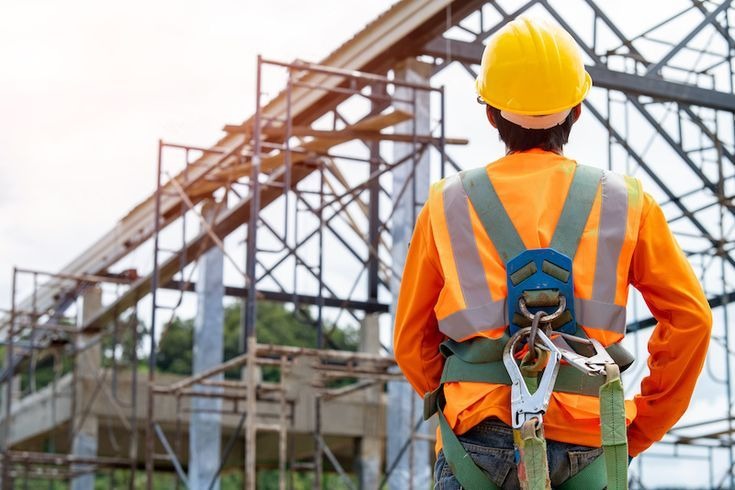
Before any crane swings a load, before any heavy structure is lifted off the ground, before any complex industrial lift begins a rigger has already done the most important work. They have calculated the load, selected the right equipment, checked every connection, and given the signal that makes the operation safe to proceed.
Rigging is not a support job. It is the job that everything else depends on.
In 2026, the demand for certified riggers in Pakistan and across the Gulf has reached a level that training centers simply cannot keep up with. Gulf employers are actively recruiting. Pakistani industry is expanding. Construction, oil and gas, power generation, and offshore projects all need the same thing: professionally trained, certified riggers who know exactly what they are doing when loads weighing several tons are in the air.
If you are looking for a technical career that puts real skills in your hands and real opportunities in front of you, a rigger course is where your journey starts.
What Is a Rigger and What Do They Do?
A rigger is a trained professional responsible for the safe lifting, moving, and positioning of heavy loads using cranes, hoists, and lifting equipment. Their role is active and critical at every stage of a lift from initial planning and equipment selection through to load attachment, signal communication, and final placement.
On construction sites, in oil and gas facilities, in power plants, and on offshore platforms, riggers work at the intersection of heavy equipment and human safety. What they do and how correctly they do it directly determines whether a lifting operation proceeds safely or results in disaster.
More Than Attaching Slings and Hooks
Many people underestimate what rigging actually involves. It is far more than connecting a sling to a load and watching a crane do the work. A professional rigger understands load weight distribution and center of gravity. They select the right lifting equipment, wire ropes, synthetic slings, chain blocks, shackles based on the specific demands of each lift.
They inspect equipment for defects before every operation. They read and follow lift plans. They communicate with crane operators using precise hand signals or radio communication. And they take personal responsibility for the safety of everyone around them during every operation.
When a complex or heavy lift goes wrong, the consequences are severe. This is precisely why employers insist on certified riggers and why the rigger course exists to produce professionals who are genuinely qualified, not just experienced.
Why Rigging Is One of the Most Critical Technical Skills in Industry
Lifting operations are present in virtually every industrial environment. Factories need equipment moved. Construction sites need structural steel placed. Refineries need heavy vessels installed and maintained. Offshore platforms need supplies and equipment transferred under challenging conditions. None of this happens without rigging.
The Industries That Cannot Function Without Riggers
The industrial world is hungry for skilled professionals, and the rigger course in Pakistan stands out as a premier gateway for individuals looking to build a career in high stakes industries such as oil and gas, construction, and maritime logistics. With the expansion of infrastructure projects under CPEC and the continuous demand for skilled labor in the Middle East, becoming a certified rigger is no longer just an option, it is a necessity.
The industries driving this demand include construction and civil engineering, oil and gas production and refining, power generation plants, petrochemical facilities, shipbuilding and marine operations, and large-scale manufacturing. Each of these sectors conducts lifting operations regularly, often daily and each requires certified professionals to lead those operations safely.
What a Rigger Course Actually Covers
A professional rigger course is built around developing real, applicable skills. It is hands-on, practical training designed to produce professionals who are ready to perform on live industrial sites, not just pass an examination.
Building Skills That Work in the Real World
The curriculum of a rigger course covers the full scope of professional rigging knowledge. Students learn rigging terminology and the correct identification and use of all rigging hardware. They study load assessment principles, understanding how to estimate load weight, determine the center of gravity, and select the appropriate rigging configuration for different load shapes and sizes.
Equipment inspection is a major component. A rigger must be able to identify defects in wire ropes, synthetic slings, hooks, shackles, and lifting beams before any lift begins. Using damaged or degraded equipment is one of the leading causes of lifting failures, and a trained rigger is the last line of defense before equipment reaches the load.
Rigging course training also covers safe working load principles, rigging configurations for different lift scenarios, hand signal and radio communication protocols with crane operators, lift plan reading and implementation, and emergency procedures when lifts go wrong.
Rigger Certification Levels: A Clear Progression
Rigging certification follows a structured progression that allows professionals to build their qualifications as their experience and expertise develop. This ladder approach ensures that more complex and higher risk lifting operations are handled by appropriately qualified professionals.
Level 1 — Foundation Rigger
Rigger Level 1 provides foundational training for safe and efficient lifting operations. Students learn to handle rigging equipment, calculate load weights, balance loads, and communicate effectively with crane operators, preparing them for careers in construction, shipping, and industrial lifting, both locally and in the Middle East.
Level 1 is the entry point for anyone new to rigging. It establishes the core knowledge and practical skills that all further rigging work is built upon.
Level 2 — Advanced Rigger
Rigger Level 2 develops skilled riggers into advanced lifting specialists capable of handling complex, high risk operations in industrial environments. This level focuses on load calculations, multi crane coordination, lift plan execution, and safe handling of heavy, non symmetrical loads.
Level 3 — Senior Rigger and Lifting Supervisor
Rigger Level 3 prepares experienced riggers for top supervisory and engineering roles in critical lifting operations. With strong demand in oil and gas, power plants, heavy construction, and offshore projects, Level 3 certification opens pathways to senior positions such as Lifting Supervisor and Rigging Foreman.
Who Should Enroll in a Rigger Course?
One of the strongest advantages of a rigging career is that the entry point is accessible. A formal engineering degree is not required to begin. What matters is the right mindset, a commitment to precision, comfort in industrial environments, and a genuine sense of responsibility for safety.
From Beginners to Experienced Workers
Fresh candidates looking to enter the technical trade sector can begin at Level 1 and build their qualifications progressively. The course is ideal for individuals aiming to work in Gulf countries, where certified riggers are in high demand, and for anyone interested in beginning a career in industrial safety and rigging.
Experienced industrial workers who have worked around lifting operations without formal certification will find that a rigger course transforms their practical exposure into a verified professional qualification significantly improving their employability and opening doors that informal experience alone cannot unlock.
Workers already certified at Level 1 who want to advance to supervisory roles will find Level 2 and Level 3 training the direct pathway to higher responsibilities and more senior positions.
Rigger Career Scope in Pakistan
Pakistan’s industrial and construction sectors are growing, and the demand for certified riggers within the country reflects that growth directly.
Where Riggers Are Needed Most in Pakistan
In Pakistan, industries like the Kala Shah Kaku industrial zone, Port Qasim, and various power plants are constantly looking for certified riggers.
CPEC infrastructure projects across Pakistan roads, energy facilities, special economic zones generate consistent demand for lifting professionals. Large scale construction in major cities requires rigging expertise for structural steelwork, prefabricated components, and heavy building systems installation.
Pakistan’s energy sector, including power plants under construction and existing facilities requiring maintenance shutdowns, relies heavily on certified riggers for equipment installation, repositioning, and replacement. These are high stakes environments where only certified professionals are permitted to conduct lifting operations.
Rigger Jobs in the Gulf: A Career Defining Opportunity
The Gulf job market for certified riggers is one of the most active employment sectors for Pakistani technical professionals in 2026. The demand for riggers is global Middle East, Europe, anywhere skilled riggers go.
Why Gulf Employers Actively Recruit Pakistani Riggers
Overseas recruiters from Qatar, Saudi Arabia, and the UAE frequently visit Pakistan looking for certified talent. This is not occasional or seasonal; it is structural demand driven by the scale and duration of Gulf infrastructure and industrial programs.
Level 3 riggers are often hired as Lifting Supervisors or Rigging Foremen in major energy hubs like Aramco in Saudi Arabia and ADNOC in UAE. These are among the most demanding and well regarded employers in the world, and their willingness to recruit from Pakistan is a direct reflection of the quality Pakistani riggers consistently deliver.
International job markets, especially in the Middle East, actively recruit certified riggers for large scale infrastructure and industrial projects, and this certification is valid both in Pakistan and abroad, enabling students to apply for jobs in global industries like oil and gas, construction, and marine operations.
Why Certified Riggers Are Always Preferred Over Uncertified Workers
The difference between a certified rigger and an uncertified one is not just a piece of paper. It is the difference between a professional who can demonstrate, on demand, that their knowledge and skills have been tested and validated against an industry standard and someone who cannot.
Gulf employers, multinational contractors, and project management companies operating under international safety regimes do not allow uncertified personnel to conduct lifting operations. Certification is the minimum requirement, not a competitive advantage.
For Pakistani workers targeting Gulf employment specifically, having a recognized rigger certification is what determines whether a recruiter considers your application at all. This certification is a primary requirement for Rigger and Lifting Helper roles in Saudi Arabia, the UAE, and Qatar.
How Qanmos Trainings Prepares Certified Riggers
Qanmos Trainings has spent over a decade developing certified technical professionals across Pakistan. Rigger training at Qanmos is built around the practical, site ready competencies that Pakistani and Gulf employers actually require.
Training is led by experienced professionals who have worked on real industrial and construction sites bringing genuine field knowledge into every session. Students at Qanmos do not just learn theory. They develop hands-on competence with real rigging equipment, real scenarios, and real safety standards.
Career support for local and overseas jobs is an integral part of what Qanmos offers connecting graduates with employment opportunities that match their certification level and experience.
With seven branches across Lahore, Karachi, Islamabad, Rawalpindi, Multan, Peshawar, and Abbottabad, Qanmos makes professional rigger training accessible to candidates across Pakistan regardless of where they are based.
Frequently Asked Questions
What is a rigger course in Pakistan?
A rigger course is a structured training program that teaches professionals how to safely plan, execute, and supervise lifting operations using cranes, hoists, and rigging equipment. It covers load assessment, equipment selection and inspection, lift planning, and communication protocols.
Do I need prior experience to enroll in a rigger course?
No prior rigging experience is required for rigger training. The foundational course is designed for beginners and builds all necessary knowledge and skills from the ground up.
Is a rigger certification recognized in Gulf countries?
Yes. Recognized rigger certifications are accepted and required by employers across Saudi Arabia, UAE, Qatar, Kuwait, and other Gulf countries. Gulf employers specify rigger certification as a minimum requirement for lifting roles.
What industries hire certified riggers in Pakistan?
Certified riggers work in construction, oil and gas, power generation, petrochemical facilities, manufacturing, maritime, and logistics sectors. Any industry that conducts heavy lifting operations requires certified rigging professionals.
What is the difference between rigger levels?
Level 1 covers foundational rigging skills. Level 2 develops advanced lifting capabilities including multi crane coordination and complex lift planning. Level 3 prepares riggers for supervisory and engineering roles as Lifting Supervisors or Rigging Foremen.
Can a rigger progress to a supervisory role?
Yes. With Level 3 certification and field experience, riggers can advance to Lifting Supervisor, Rigging Foreman, and lifting engineer roles positions with greater responsibility and senior career prospects both locally and internationally.
Are Gulf employers actively hiring Pakistani riggers?
Yes. Recruiters from Saudi Arabia, UAE, and Qatar actively visit Pakistan looking for certified riggers. Major employers including Aramco and ADNOC contractors specifically recruit Pakistani rigging professionals for large-scale projects.
Does Qanmos offer rigger training across Pakistan?
Yes. Qanmos Trainings offers rigger courses across seven cities including Lahore, Karachi, Islamabad, Rawalpindi, Multan, Peshawar, and Abbottabad.
What equipment will I learn to work with during a rigger course?
Students train with wire ropes, synthetic slings, chain blocks, shackles, lifting beams, and rigging hardware used in real industrial environments. Training includes equipment inspection and correct selection for different lift scenarios.
Where can I enroll in a rigger course in Pakistan?
Qanmos Trainings offers professional rigger courses across Pakistan. Visit www.qanmos.com or contact the team directly to find out about available programs and enrollment.
Conclusion
Rigging is a profession where precision, knowledge, and responsibility come together every single day. The certified rigger is the professional who makes heavy lifts safe and without them, industries stop moving.
In 2026, the demand for certified riggers in Pakistan and the Gulf is strong, growing, and directly connected to the scale of infrastructure and industrial development taking place across the region. The career path is clear, the training is practical, and the opportunities at home and internationally are genuinely available to professionals who take their certification seriously.
Qanmos Trainings is ready to help you build that career the right way, with the skills, certification, and support that make the difference between looking for work and being recruited for it.