Every year, Pakistan’s factories, warehouses, hospitals, and construction sites report hundreds of firerelated incidents. Behind every one of those incidents is a shared reality: a gap in specialized fire safety expertise that could have prevented the disaster entirely.
In 2026, companies across Pakistan are waking up to a truth they can no longer ignore. Having a general safety officer on site is not enough. Industries need professionals who understand fire science, prevention systems, emergency response protocols, and evacuation planning at a specialized level. They need a Fire Safety Officer.
This is one of the fastest growing and most urgently demanded career paths in Pakistan right now and most people have not discovered it yet.
What Does a Fire Safety Officer Actually Do?
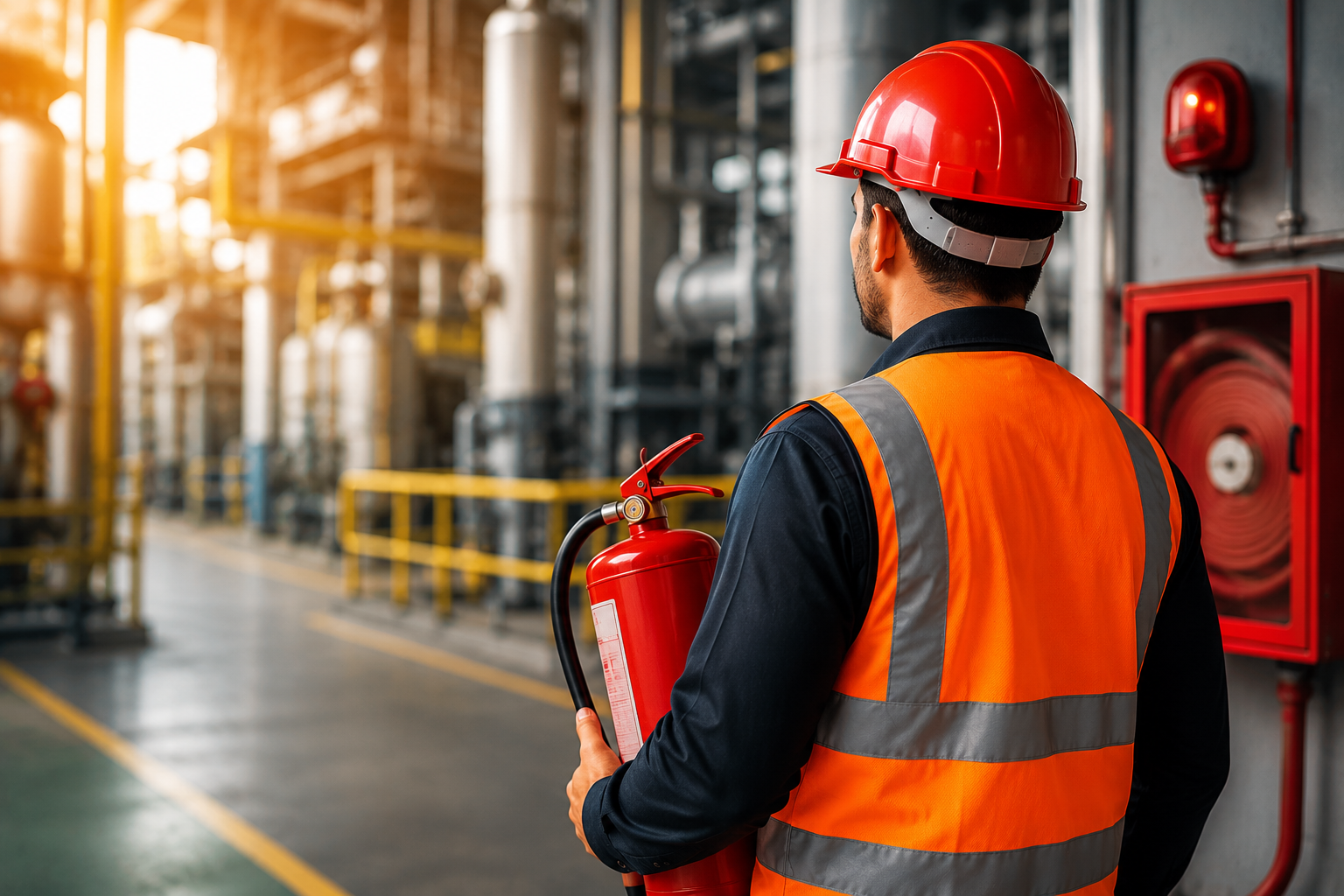
A Fire Safety Officer is a specialized professional trained to prevent, manage, and respond to fire-related hazards within industrial and commercial environments. Their role goes far beyond pointing at a fire extinguisher and calling it a day.
On any given day, a Fire Safety Officer is assessing fire load across a facility, inspecting suppression systems, designing and conducting evacuation drills, reviewing electrical systems for ignition risks, ensuring fire exits are compliant and unobstructed, and preparing emergency response plans that the entire workforce understands and can act on.
In industries where flammable materials, high temperatures, pressurized systems, or large scale electrical installations are part of daily operations, a Fire Safety Officer is not a luxury. They are a legal and operational necessity.
Why Fire Safety is a Specialized Field Not an Add-On
Many organizations make the mistake of expecting a general HSE officer to cover fire safety alongside everything else. While HSE officers carry foundational safety knowledge, fire safety as a discipline demands a depth of understanding that goes well beyond general training.
Fire behavior in industrial settings is complex. The interaction between different materials, ignition sources, ventilation systems, and suppression mechanisms requires dedicated study and practical expertise. A professional who understands fire safety thoroughly can identify risks that even experienced site managers routinely miss and intervene before those risks become disasters.
This is precisely why employers, particularly in high-risk industries, now advertise for Fire Safety Officers as a distinct role rather than bundling it into a general HSE position.
Industries in Pakistan That Are Actively Hiring Fire Safety Officers
The demand for fire safety expertise cuts across almost every major industrial sector in Pakistan.
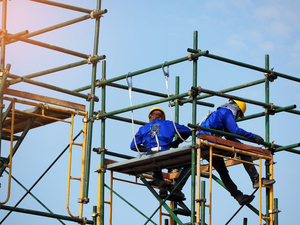
Construction and Infrastructure projects carry significant fire risk from welding operations, temporary electrical setups, fuel storage, and the use of flammable building materials. CPEC related projects and large commercial developments increasingly require dedicated fire safety supervision as part of their contractual obligations.
Oil, Gas and Petrochemical facilities represent the highest-risk environment for fire hazards. Refineries, processing plants, and storage terminals operate under strict international fire safety frameworks, and every operational team requires certified fire safety professionals with a deep understanding of hydrocarbon fire behavior and suppression systems.
Hospitals and Healthcare Facilities face a unique fire safety challenge they house patients who cannot evacuate themselves, along with high concentrations of oxygen, flammable medical gases, and electrical equipment. Pakistani hospitals are increasingly under regulatory and accreditation pressure to maintain certified fire safety staff.
Shopping Malls, Hotels and Commercial Buildings in Pakistan’s urban centers now fall under stricter compliance requirements from local building authorities and international chains who cannot afford the reputational damage of a fire incident.
Fire Safety in Pakistan: The Urgency Behind the Demand
Pakistan’s track record with industrial fire incidents is one that nobody in the sector is proud of. Major factory fires in Karachi and Lahore in recent years resulted in devastating loss of life and exposed catastrophic gaps in fire prevention, emergency planning, and evacuation systems.
These incidents triggered renewed regulatory attention, stricter building code enforcement, and a direct increase in employer awareness about the cost of inadequate fire safety. Companies that once treated fire safety as a formality are now treating it as a survival issue financially, legally, and reputationally.
For professionals, this shift translates directly into opportunity. The demand for fire safety expertise in Pakistan is growing not because of theory or trends, but because of hard lessons the industry has been forced to learn.
The Gulf Market: Where Fire Safety Officers Are Earning the Most
If Pakistan represents a growing market for fire safety professionals, the Gulf represents a mature one with premium salaries.
Saudi Arabia, UAE, Qatar, and Kuwait have some of the strictest fire safety regulations in the world. Their mega-projects — from high-rise towers to petrochemical facilities to airport terminals — all require certified fire safety professionals on site. Pakistani professionals with recognized fire safety certifications are actively recruited for these roles, and the compensation packages reflect the seriousness with which Gulf employers treat fire safety expertise.
Certified Fire Safety Officers in the Gulf regularly access positions that pay significantly above what general HSE roles offer, making this specialization one of the strongest career investments a Pakistani safety professional can make.
What Certification Do You Need to Become a Fire Safety Officer?
The most recognized certification for fire safety professionals is the Certified Fire Protection Specialist (CFPS) credential, which provides comprehensive knowledge of fire science, fire prevention systems, suppression technology, emergency planning, and regulatory compliance.
CFPS certified professionals demonstrate to employers that they have gone beyond general safety awareness and have built the specific, verifiable expertise that fire safety roles demand. It is a credential that both Pakistani and Gulf employers recognize and prioritize.
How Qanmos Trainings Prepares You for a Fire Safety Career
Qanmos Trainings has been developing certified safety professionals in Pakistan since 2010. With seven branches nationwide and a reputation built on genuine career outcomes, Qanmos offers fire safety training that equips students with practical, industry relevant knowledge not just theoretical content.
Training at Qanmos is delivered by experienced professionals who have worked in the field, understand the real world challenges of fire safety management, and bring that practical perspective into every session. The goal is to produce Fire Safety Officers who are ready to contribute to any industrial environment from the moment they step on site.
For professionals looking to build a specialized career that stands out from the general HSE field in Pakistan or in the Gulf fire safety training at Qanmos is the clear starting point.
This Is the Right Time to Specialize
General safety roles are competitive. Specialized fire safety roles are in shortage. Companies need these professionals urgently. The Gulf is paying premium salaries for them. Regulatory pressure in Pakistan is forcing industries to take fire safety seriously for the first time.
All of these factors point to one conclusion: if you are considering where to build or advance your safety career in 2026, fire safety specialization is one of the most strategically sound decisions you can make.